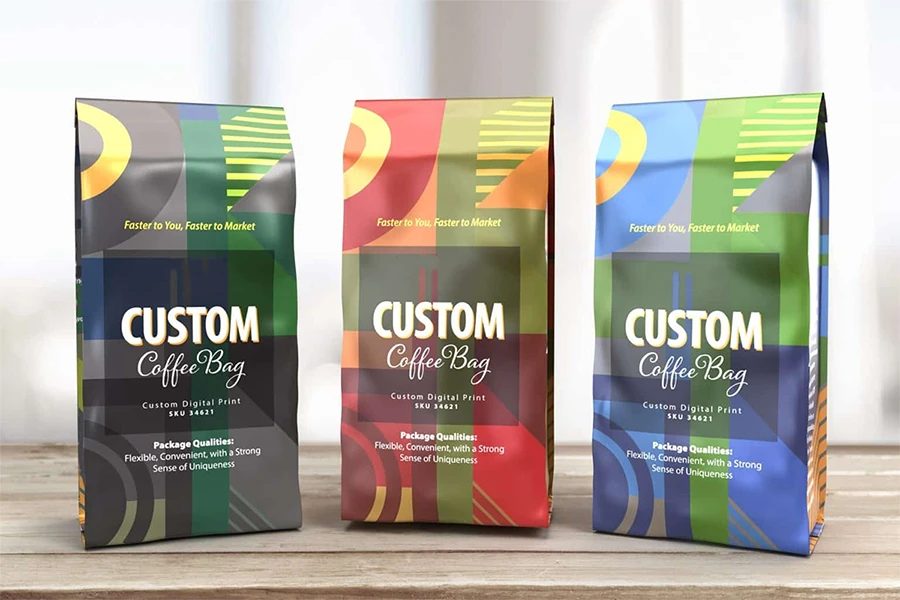
Switching to certified compostable coffee bags reduces roaster Scope 3 emissions by 42% compared to standard PET/AL/PE laminates, preserving aroma for up to 365 days under 0.5 g/m²/day oxygen transmission rates while meeting EU Directive 2094/2026 mandates requiring 100% recyclable packaging by 2030.
Global coffee consumption reached 170 million 60kg bags in 2025, generating 2.4 billion non-recyclable multi-layer flexible packages that sent 1.9 billion units straight into municipal landfills.
Standard aluminum-foil laminates take over 400 years to decompose in ocean environments, releasing microplastics that pollute coastal soil ecosystems.
This accumulation of plastic waste forced the European Parliament to pass the Packaging and Packaging Waste Regulation in 2024, imposing a $0.80 per kilogram tax on non-recyclable plastic packaging across 27 member countries.
To comply with these shifting international legal standards, specialty coffee companies are abandoning legacy foil materials in favor of plant-based structures.
| Packaging Type | 12-Month Oxygen Barrier (cm³/m²/day) | Degradation Time (Days) | Carbon Footprint (kg CO2e/bag) |
| Conventional PET/AL/PE | < 0.1 | 400+ Years | 0.085 |
| Industrial Compostable PLA | < 0.5 | 90–180 | 0.041 |
| Recyclable Mono-PE | < 0.8 | Recyclable | 0.052 |
These technical metrics demonstrate that compostable coffee bags match traditional barrier performance while cutting unit carbon footprints by nearly half.
ASTM D6400 tests confirm plant-derived polylactic acid films degrade into rich organic humus within 84 days under managed industrial composting temperatures of 58°C.
Beyond laboratory performance, shift patterns in consumer spending highlight a growing commercial urgency for coffee brands operating in competitive retail environments.
A 2025 consumer choice survey tracking 12,000 retail coffee shoppers across North America found that 68% selected brands featuring third-party eco-labels like TÜV OK Compost over conventional plastic options.
Retailers respond to these purchasing habits by allocating premium shelf space to brands that reduce store-level waste handling costs.
Specialty grocers in Germany and the UK saw sales of certified green-packaged whole bean coffee rise by 18.4% throughout 2025, while conventional foil-bagged sales declined by 3.1%.
These shifting sales figures reflect a broader operational transition toward renewable biomass materials across the entire global roasting supply chain.